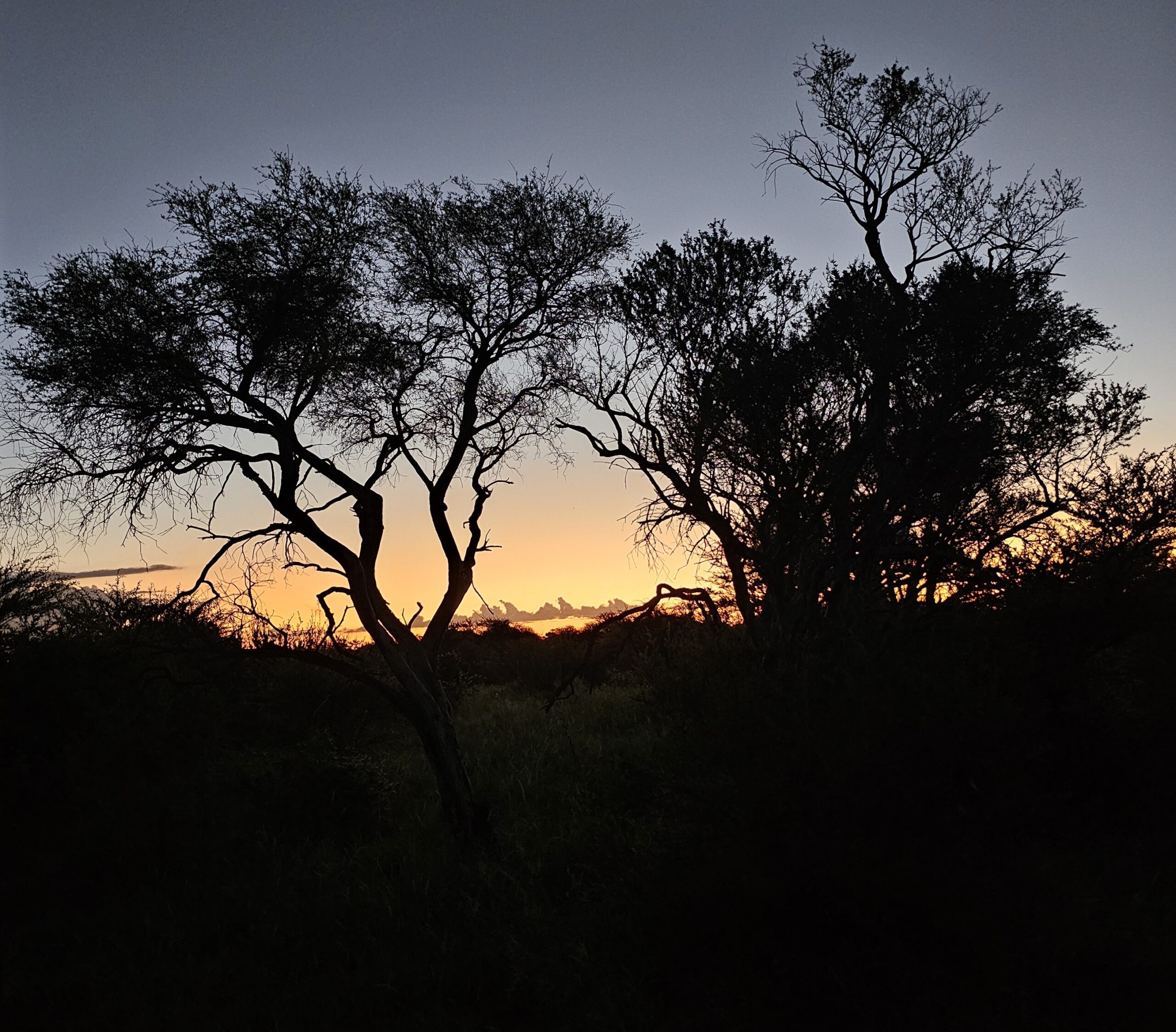
The dream
We all have a bucket list and top of mine was a safari. More than that, I wanted a conservation safari. I wanted to hear lions roar in the wild. I wanted to drink in the nature, the sounds, the smells, the essence of a continent fabled in her beauty. I also wanted to learn more about conservation and what that work is like. But then I started researching and it seemed…well, maybe not impossible but definitely risky.
VS the reality
The expense! Based on that, the safari would have to be a one-time thing, which puts so much uncertainty on it. What if the weather was bad? What if I did not see or hear those lions (or elephants, or rhinos…the list goes on)? Once in a lifetime experiences are great but personally I wanted multiple chances to enjoy this adventure. Otherwise, I would spend every minute pressuring myself that it has to be perfect because it will never happen again.
What experience did I want?
Furthermore, the idea of going all that way just to look at the animals bothered me as much as the cost. It felt…disengaged. I didn’t want to just be an observer. I wanted to experience what it’s like to work on behalf of these creatures as much as look at them. That’s when I heard about conservation safaris, and when I found Working with Wildlife, it checked all the boxes and then some.
What is a conservation safari?
A conservation safari is an immersive experience where the funds support conservation efforts and environmental protections. Here you roll up your sleeves and participate in preservation and wildlife research tasks. This can include observing animal movements, counting populations, setting trail cameras, logging the animal’s physical condition, and tagging individuals for tracking. The fees seemed lower, which was promising in terms of cost…but the initial results on accommodations were not.
The next big decision…accommodations
Another thing to think about is where and how I would stay when not in the bush. Who knew there were so many choices in a safari: in or outside the reserve, shared or private tents, shared toiletries, to luxurious en-suite tents and lodges. The type of safari seemed to make a difference. Some conservation safari camps (probably geared more toward younger folks, they mention break years) have almost dorm-like facilities where there is little privacy. The ones geared toward older folks seemed to have separate tents but with shared wash facilities. Personally, I live alone and do not relish, or even feel comfortable with, sharing space with anyone, let alone someone I have never met before. So this mattered a lot to me.
What animals are involved?
For me, the wildlife plays a big factor in where you want to go. After all, the whole point of a conservation safari is all about the wildlife and their habitats. I mentioned lions, and of course wanted the opportunity to view the Big 5, but more than anything, I wanted to see a pangolin. The thought of working to help protect these shy creatures was a major (re: top) priority for me. I knew the chances of seeing one were slim to none. People in Africa can live their entire lives and not see one. But to even have a chance I wanted a safari that works with pangolins. There are 8 species of pangolins, but to also have the chance to see the Big 5 and African wild dogs (another passion) I wanted to go where these animals live and that meant Africa.
Research! Reviews!
I want to know how important conservation is for the business. Are they just tapping into a feel good trend that my dollars would be used responsibly? Unfortunately, like in any business, some people say a lot and do nothing. Are they involved with any conservation groups? Will part of my fee go towards conservation? Do guests report a good experience? Is what they are describing what I want to experience? Don’t forget about the aforementioned accommodations and food quality!
Why I chose a Working with Wildlife Conservation Safari
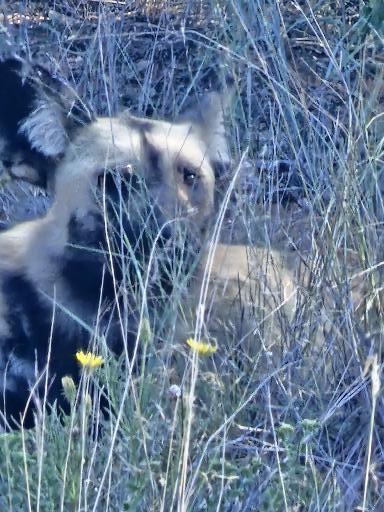
In the end, my choice was clear. Working with Wildlife is a conservation safari in the Kalahari of South Africa. When I saw a pangolin and a wild dog in their home page carousel of images I was ecstatic. The more I looked the more excited I got. The research sealed it.
- Cost: I compared the cost of my other first choice from the more traditional-style safari with comparable accommodations to what I would pay here, and the cost was half! So I got the peace of mind that I can go again if I want.
- The wildlife!: Working With Wildlife is in the Khamab private reserve located in the Kalahari of south Africa, home to the Big 5 and many other iconic animals. Most importantly to me, they are active in pangolin and African wild dog conservation and research. Indeed I was able to interact with pangolins multiple times to replace tag batteries, and experienced first hand encounters with a completely wild pangolin and one that had been rescued and rehabilitated after being poached. And the beautiful painted dogs. Imagine sitting by them while waiting for the sun to set to see them head out hunting!
- Beautiful accommodations: This is a small camp set within the reserve where you see and hear the heart of Africa day and night. Each tent is an ensuite and has a sitting area to enjoy gazing out at the surroundings. A small pool provides relief on hot summer days. And the food is outstanding.
- Working reserve experience: There is no set agenda as we do what needs to be done that day, which perfectly fit my desire to be a part of a working conservation effort. This also means there are no guarantees of what you will see or do, but I felt the chances were very good that I would see animals and my best opportunity to see a pangolin.
- Glowing reviews: But the reviews really brought the decision home. People shared how they had been on other safaris and this was very different because of how much they learned. The reviews for the food, hospitality, and the experiences nailed it.
It was the perfect choice
It was thrilling, better than I could even hope. I learned more than I could have imagined about predator to prey balance in a healthy ecosystem, the crisis of habitat loss, and the hard realities of how our choices affect people globally. The world is rich with living beings and wondrous change. Working With Wildlife conservation safari gave me the experience of a lifetime and a wealth of perspectives on game hunting, farming, and a healthy ecosystem. This changed me and my views forever and I can’t wait to go back.